
Wholesale Pet Food Online Pallets: The Complete Guide to Buying Pallets of Pet Food
If you are looking for an affordable way to stock your pet supply business, retail store, online shop, shelter, resale operation, or distribution business, buying a pallet of pet food can be an excellent way to purchase products in larger quantities. Instead of purchasing individual bags, cases, or products at standard retail prices, wholesale pallet buying allows businesses to source larger quantities in one transaction.
At JC Liquidation, we help businesses and resellers explore wholesale and liquidation opportunities for pet products, including opportunities involving dog food, cat food, treats, accessories, and other pet-related merchandise. Our goal is to make wholesale purchasing easier for businesses that want access to larger quantities of products without the complexity of sourcing every item individually.
Whether you are searching for a pallet of pet products, pallet of dog food wholesale, wholesale pet food online, or reliable wholesale pet food distributors, understanding how pallet purchasing works can help you make better buying decisions.
This guide explains what a pet food pallet is, how wholesale pallet purchasing works, what to look for before placing an order, how businesses can potentially save money through bulk purchasing, and the questions buyers should ask before purchasing.
What Is a Pallet of Pet Food?
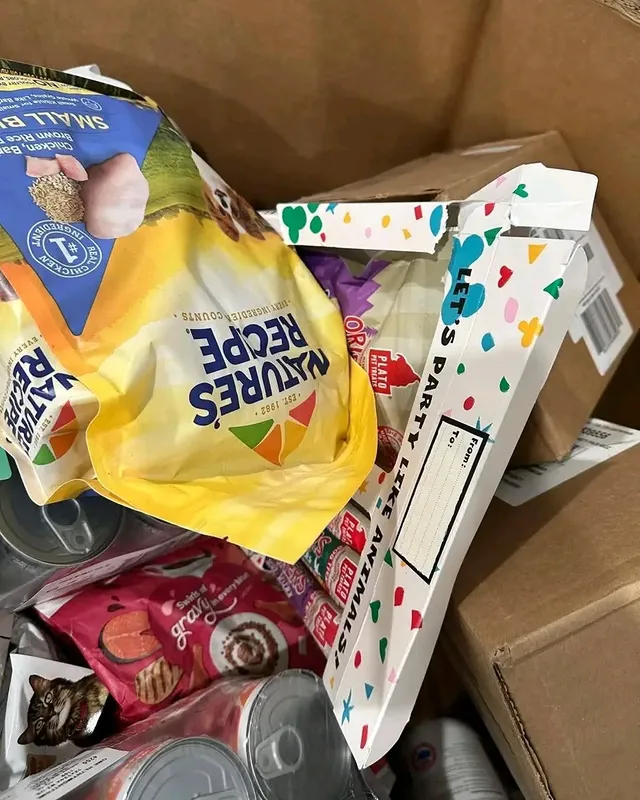
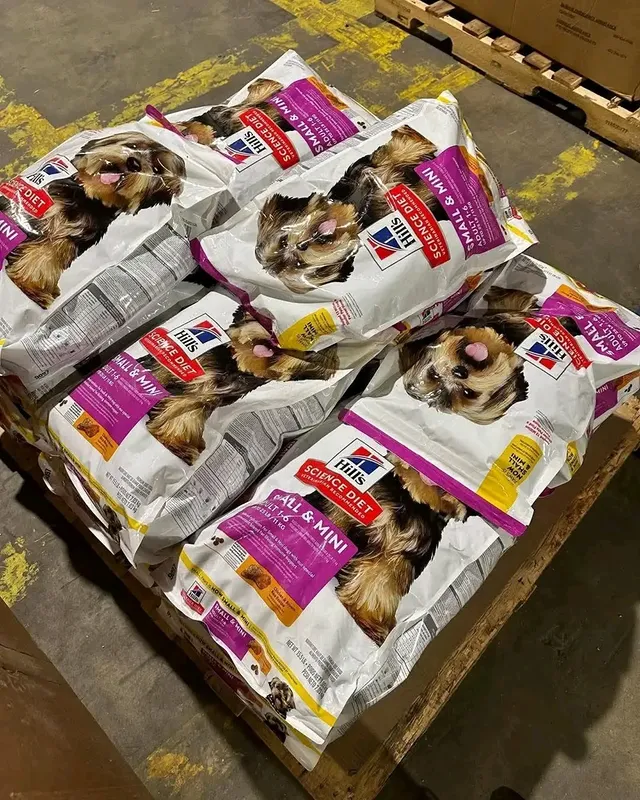
A pallet of pet food is a large quantity of pet food products consolidated and prepared for transportation on a pallet. Depending on the supplier and inventory available, a pallet can contain bags, boxes, cases, cans, pouches, or a combination of pet food products.
The exact quantity on a pallet can vary significantly.
For example, one pallet may contain large bags of dog food, while another may contain smaller bags, cases of canned food, pet treats, or assorted products. The number of individual units depends on product size, packaging configuration, pallet dimensions, and the supplier’s inventory.
Businesses commonly purchase pet food pallets for:
- Pet stores
- Online retailers
- Discount stores
- Grocery stores
- Independent retailers
- Resellers
- E-commerce businesses
- Wholesale businesses
- Animal shelters
- Kennels
- Boarding facilities
- Breeders
- Distribution companies
- Flea-market vendors
- Liquidation businesses
- Exporters
- Regional distributors
Buying a pallet can be particularly useful when your business has enough storage space and a reliable sales channel for moving inventory.
Why Buy a Pallet of Pet Products?
The pet industry includes a wide range of products, and pet owners regularly purchase food and supplies for their animals. For retailers, this creates opportunities to sell products that customers need repeatedly.
A pallet of pet products may include different categories depending on the inventory available. These can include pet food, treats, feeding accessories, toys, grooming products, bedding, and other pet-related merchandise.
One of the biggest advantages of buying wholesale is purchasing inventory in larger quantities.
Instead of spending time sourcing individual products from multiple suppliers, a business can potentially acquire a substantial quantity in one transaction.
Bulk purchasing can provide several potential benefits:
1. Larger Inventory
Purchasing a pallet gives a retailer more inventory to sell. This can be useful for businesses that already have customers looking for pet food.
2. Simplified Purchasing
Instead of repeatedly placing small orders, wholesale buyers can consolidate purchases into larger shipments.
3. Potentially Lower Per-Unit Costs
Wholesale and liquidation inventory can sometimes provide a lower acquisition cost per unit than buying individual products through conventional retail channels.
However, buyers should always calculate the complete landed cost, including shipping, handling, taxes, storage, and other expenses.
4. Resale Opportunities
Businesses can divide pallet inventory into individual units and sell products separately.
5. Variety
Depending on the pallet, buyers may have access to assorted products or different sizes and varieties.
Pallet of Dog Food Wholesale: What Buyers Should Know
A pallet of dog food wholesale is intended for businesses purchasing dog food in larger quantities rather than buying individual bags for personal use.
Wholesale dog food pallets can vary substantially. Some may contain one particular product, while others may contain mixed products.
Before purchasing, buyers should determine:
- What brand or brands are included
- What type of dog food is included
- Bag or package sizes
- Number of units
- Product condition
- Packaging condition
- Expiration or best-before dates
- Lot information
- Shipping location
- Shipping cost
- Whether the pallet is mixed or uniform
- Whether products are intended for resale
- Applicable restrictions in the buyer’s location
This information can have a major impact on the value of the pallet.
For example, a pallet containing large bags of dog food will have a different shipping profile from a pallet containing smaller bags or cans.
That is why serious wholesale buyers should request complete inventory details before purchasing.
A Pallet of Dog Food: Is It Right for Your Business?
Buying a pallet of dog food can make sense when you have an established customer base or a realistic plan for selling the inventory.
A pallet may not be suitable for every buyer.
Before placing an order, consider your:
- Available storage space
- Customer demand
- Selling channels
- Delivery capabilities
- Cash flow
- Product preferences
- Local regulations
- Shipping costs
- Expected selling price
- Inventory turnover
For example, a pet store that regularly sells dog food may be able to move pallet inventory quickly. An online seller might separate the pallet into individual products and sell them through an e-commerce store.
On the other hand, a new business without storage space or customers may want to begin with a smaller wholesale order before committing to a full pallet.
How Can I Buy a Pallet of Dog Food?
If you are asking, “how can I buy a pallet of dog food?”, the process is generally straightforward, but you should perform due diligence before paying for inventory.
A typical process looks like this:
Step 1: Identify Your Product Requirements
Determine what you want to purchase.
For example:
- Dry dog food
- Wet dog food
- Puppy food
- Adult dog food
- Specialty dog food
- Dog treats
- Mixed pet food
- Assorted pet products
Knowing exactly what you need makes it easier to identify suitable inventory.
Step 2: Find a Wholesale Supplier
Search for established wholesale suppliers, liquidation companies, distributors, and other businesses selling palletized pet products.
JC Liquidation provides businesses with access to liquidation and wholesale purchasing opportunities.
Step 3: Request Inventory Information
Before purchasing, ask for details regarding the pallet.
Important questions include:
- How many units are included?
- What products are included?
- What brands are included?
- What are the package sizes?
- What is the product condition?
- Are the products sealed?
- What are the applicable dates?
- Is the pallet manifested?
- Where is the pallet shipping from?
- What is the shipping cost?
Step 4: Calculate Your Total Cost
Do not calculate profitability based only on the pallet price.
Your real cost may include:
Pallet purchase price + shipping + handling + taxes + storage + other applicable costs = total acquisition cost
Then divide the total cost by the number of sellable units.
This gives you a more realistic average cost per unit.
Step 5: Confirm the Order
Once you have reviewed the inventory details and pricing, confirm the order and shipping arrangements with the supplier.
Buy Pallet of Dog Food: What Should You Check First?
If you want to buy pallet of dog food, take time to evaluate the inventory before completing the transaction.
The cheapest pallet is not automatically the most profitable pallet.
A good wholesale buyer looks at the entire transaction.
Product Condition
Condition is one of the most important considerations.
Ask whether products are:
- New
- Factory sealed
- Retail ready
- Damaged packaging
- Overstock
- Closeout
- Customer returns
- Mixed condition
For food products, condition should be treated especially carefully because packaging integrity and applicable dates matter.
Expiration and Best-Before Dates
Pet food can have date information printed on packaging.
Before purchasing, determine what date information applies to the products and whether it meets your business requirements.
Do not assume that all pallets have identical dates.
Packaging
Inspect or request information about packaging.
Look for:
- Torn bags
- Open containers
- Damaged boxes
- Broken seals
- Crushed cases
- Water damage
- Missing labels
If your goal is resale through a retail store, packaging condition can significantly affect your ability to sell the product.
Where Can I Buy a Pallet of Dog Food?
If you are searching “where can I buy a pallet of dog food?”, several types of suppliers may offer palletized pet products.
These can include:
- Wholesale distributors
- Liquidation companies
- Closeout suppliers
- Overstock sellers
- Pet product distributors
- Retail liquidation businesses
- Business-to-business marketplaces
- Direct manufacturers or authorized distributors
The right source depends on your product requirements, location, budget, and intended use.
When evaluating suppliers, look beyond the advertised price.
Consider:
Product quality + quantity + condition + shipping + supplier transparency + documentation
A supplier that clearly explains what is included in a pallet can make purchasing much easier.
Where to Buy a Pallet of Dog Food
For businesses asking where to buy a pallet of dog food, JC Liquidation is one option to investigate when looking for wholesale and liquidation inventory.
When considering any supplier, buyers should evaluate:
- Supplier reputation
- Product descriptions
- Inventory transparency
- Shipping arrangements
- Payment methods
- Return or cancellation policies
- Product condition
- Applicable dates
- Customer service
- Total landed cost
Wholesale purchasing should be treated as a business transaction rather than simply looking for the lowest advertised price.
How to Get a Pallet of Dog Food
If you are wondering how to get a pallet of dog food, the first step is determining what type of inventory you need.
A buyer can then contact a wholesale or liquidation supplier and request available inventory.
Depending on the supplier, pallet purchasing may involve:
- Selecting available inventory
- Reviewing product information
- Confirming quantity
- Reviewing pricing
- Calculating freight
- Confirming shipping details
- Completing payment
- Arranging delivery
- Receiving the pallet
- Inspecting the shipment
When the pallet arrives, inspect it promptly.
Check the number of cartons or bags, packaging condition, product descriptions, and other details against your purchase documentation.
Wholesale Pallet Dog Food: How the Business Model Works
The wholesale pallet dog food business model is based on purchasing inventory in bulk and distributing or reselling it.
A simple example might look like this:
A retailer purchases a pallet containing multiple units of dog food.
The retailer then sells the individual bags to customers.
Instead of purchasing each bag independently at retail prices, the retailer acquires inventory in bulk and establishes its own resale pricing.
Profitability depends on numerous factors, including:
- Acquisition cost
- Shipping
- Product demand
- Selling price
- Platform fees
- Storage
- Labor
- Taxes
- Damaged inventory
- Unsold inventory
For that reason, buyers should calculate expected margins before purchasing.
Wholesale Pet Food Online: A Convenient Way to Source Inventory
The growth of e-commerce has made wholesale pet food online an increasingly convenient way for businesses to research inventory.
Online wholesale purchasing allows buyers to compare products, contact suppliers, review inventory information, and arrange shipments without physically visiting multiple warehouses.
For small businesses, this can save time.
However, online purchasing also requires careful due diligence.
Always confirm:
- Who the supplier is
- What exactly is being sold
- How many units are included
- Whether the listing is current
- Shipping terms
- Payment terms
- Product condition
- Date information
- Applicable restrictions
A professional supplier should be able to provide clear information about the transaction.
Benefits of Buying Wholesale Pet Food Online
There are several potential advantages to sourcing pet food online.
Convenient Product Research
Businesses can research available inventory without traveling from warehouse to warehouse.
Wider Supplier Access
Online purchasing can allow buyers to communicate with suppliers outside their immediate geographic area.
Easier Comparison
Businesses can compare quantities, product categories, pricing, and shipping options.
Faster Communication
Buyers can often request inventory information electronically.
Easier Reordering
Once you establish a relationship with a reliable supplier, future purchases can become more efficient.
Pet Wholesale Food for Retailers and Resellers
Pet wholesale food can be useful for a variety of businesses.
Pet Stores
Traditional pet stores can purchase wholesale inventory and sell products directly to consumers.
Online Stores
E-commerce businesses can purchase inventory and list individual products online.
Discount Stores
Discount retailers can offer products at competitive prices.
Resellers
Entrepreneurs can purchase pallet inventory and resell individual units.
Regional Distributors
Businesses with established distribution networks can purchase larger quantities and distribute products to smaller retailers.
Animal Care Businesses
Kennels, shelters, and other organizations may purchase pet food in bulk for operational use, subject to applicable rules and product requirements.
Wholesale Pet Food Distributors USA
Businesses searching for wholesale pet food distributors USA should understand that distributors can operate under different business models.
Some distributors specialize in specific brands or product categories. Others may focus on closeouts, overstock, liquidation merchandise, or mixed inventory.
When evaluating wholesale pet food distributors, consider whether the distributor offers the type of inventory your business needs.
Questions to ask include:
- Do you sell by pallet?
- Do you offer full truckloads?
- Do you provide manifests?
- What product categories are available?
- What are the minimum order quantities?
- Where do you ship?
- What freight options are available?
- What condition is the merchandise?
- Are product dates provided?
- What documentation accompanies the shipment?
The answers can help you determine whether the supplier fits your business model.
Wholesale Pet Food USA: What Buyers Should Consider
The U.S. wholesale pet food market includes manufacturers, distributors, retailers, liquidators, and other supply-chain participants.
If you are looking for wholesale pet food USA, remember that the supplier’s location is only one part of the purchasing decision.
Shipping costs can have a major effect on the final cost of palletized inventory.
For example, a supplier located farther away may advertise a lower pallet price but have higher freight costs.
Therefore, compare the delivered cost, not simply the advertised product price.
A useful calculation is:
Delivered pallet cost = inventory price + freight + applicable fees
Then calculate:
Average unit cost = delivered pallet cost ÷ sellable units
This gives you a much clearer picture of your potential acquisition cost.
How Do I Buy a Pallet of Dog Food?
If you are asking, “how do I buy a pallet of dog food?”, start by contacting a supplier that offers palletized inventory.
Ask for:
- Current inventory
- Product list
- Quantity
- Package sizes
- Condition
- Dates
- Photos when available
- Pallet dimensions
- Weight
- Shipping cost
- Payment information
After reviewing the information, calculate your expected cost per unit.
Then compare that cost with your expected selling price.
Remember that the difference between purchase price and selling price is not necessarily your net profit. You may still have expenses for shipping, warehousing, advertising, marketplace fees, labor, taxes, packaging, and other operational costs.
How to Evaluate a Pet Food Pallet Before Buying
A successful wholesale purchase starts with evaluation.
Use the following checklist.
1. Identify the Products
Know exactly what you are buying.
2. Verify Quantities
Do not rely on vague descriptions such as “large pallet” or “assorted inventory.”
Ask for the approximate or confirmed unit count when available.
3. Check Product Condition
Determine whether products are new, sealed, overstock, closeout, returns, or another condition.
4. Review Date Information
For food products, date information is particularly important.
5. Calculate Freight
Obtain a realistic shipping estimate.
6. Calculate Unit Cost
Divide your total cost by the expected number of sellable units.
7. Estimate Selling Price
Research the market before deciding how much you can reasonably charge.
8. Consider Storage
Make sure you have a clean, appropriate location for inventory.
9. Plan Inventory Turnover
Ask yourself how quickly you expect to sell the products.
10. Verify Applicable Requirements
Food products can be subject to regulations and labeling requirements. Businesses should verify the requirements applicable to their location and sales channel.
Why Choose JC Liquidation for Wholesale Pet Products?
At JC Liquidation, our focus is helping businesses access wholesale and liquidation opportunities.
Buying wholesale is not simply about purchasing a large quantity. It is about finding inventory that fits your business.
We understand that buyers want clear information before committing to pallet purchases.
That is why businesses considering pet product inventory should ask questions about:
- Product types
- Quantity
- Condition
- Packaging
- Available inventory
- Shipping
- Pricing
- Order requirements
Whether you operate a physical retail store, online business, discount outlet, or resale operation, palletized inventory can provide an efficient way to acquire larger quantities.
Our approach is centered around providing businesses with opportunities to source products in bulk.
What Makes Pallet Purchasing Different From Regular Wholesale?
Traditional wholesale orders may involve cases, cartons, or minimum quantities.
Pallet purchasing takes the concept further by consolidating a larger amount of merchandise into a single shipping unit.
This can provide logistical advantages.
A pallet can be:
- Stored together
- Transported together
- Received together
- Counted together
- Distributed across sales channels
For businesses that have sufficient storage and demand, this can make inventory management easier.
However, pallet purchasing also means committing more capital upfront.
Therefore, businesses should match their pallet purchases to realistic sales expectations.
Pallet of Pet Food vs. Individual Cases
Which option is better depends on your business.
Buying individual cases may provide greater flexibility and lower upfront investment.
Buying a pallet of pet food may provide more inventory at once and potentially reduce the average acquisition cost.
Consider the following factors:
| Factor | Individual Cases | Full Pallet |
|---|---|---|
| Initial investment | Usually lower | Usually higher |
| Inventory volume | Lower | Higher |
| Storage requirement | Lower | Higher |
| Freight efficiency | May vary | Often designed for pallet freight |
| Product variety | Potentially easier to customize | Depends on pallet |
| Inventory commitment | Lower | Higher |
| Suitable for | Smaller buyers | Established wholesale/resale operations |
Neither option is automatically appropriate for every business.
Your decision should depend on your available capital, storage, demand, and sales channels.
Buying Mixed Pallets of Pet Products
Some businesses prefer mixed inventory because it provides multiple product categories.
A pallet of pet products might contain several types of merchandise.
Potential categories can include:
- Dog food
- Cat food
- Pet treats
- Feeding bowls
- Toys
- Leashes
- Collars
- Grooming products
- Bedding
- Other pet accessories
Mixed pallets can create opportunities to sell different products to different customers.
However, mixed inventory can also make inventory management more complicated.
Before buying a mixed pallet, determine how much of the pallet belongs to each product category.
How to Calculate the Value of a Pet Food Pallet
One of the most important skills for a wholesale buyer is calculating pallet value.
Suppose a pallet contains 100 sellable units.
If your total landed cost is $2,000:
$2,000 ÷ 100 = $20 average cost per unit
If you can sell the average unit for $30, the difference is $10 per unit before other business expenses.
However, if your expenses include marketplace fees, shipping to customers, storage, advertising, payment processing, and damaged or unsold inventory, your actual profit will be lower.
This is why wholesale buyers should calculate net margin, rather than simply comparing purchase and retail prices.
Storage Considerations for a Pallet of Dog Food
Before ordering a pallet of dog food, make sure you have adequate storage.
Pet food should be stored according to applicable product and manufacturer requirements.
Your storage area should be:
- Clean
- Dry
- Organized
- Protected from pests
- Suitable for the products
- Easy to access
- Large enough for pallet handling
Poor storage can damage packaging and reduce inventory value.
Businesses should also develop a stock rotation system.
Older inventory should generally be managed according to applicable date information and product handling practices.
Selling Pet Food From a Wholesale Pallet
Once you receive your pallet, you need a sales strategy.
Possible sales channels include:
Physical Retail Store
Sell directly to customers who visit your store.
E-Commerce Website
Create product listings and sell directly through your online store.
Online Marketplaces
Depending on platform requirements, sellers may list eligible pet products on online marketplaces.
Local Sales
Businesses can serve local customers through pickup or delivery.
Wholesale Resale
You may sell portions of your inventory to other businesses where legally and contractually permitted.
How to Build a Pet Food Reselling Business
A pet food reselling business can begin with careful research and inventory planning.
Start by identifying your target customer.
Your customers might include:
- Dog owners
- Cat owners
- Pet stores
- Kennels
- Groomers
- Breeders
- Animal-care organizations
- Local retailers
Then determine what products those customers actually purchase.
Avoid purchasing large quantities simply because the pallet appears inexpensive.
The most important question is:
Can I realistically sell this inventory?
Demand should guide your purchasing strategy.
Common Mistakes When Buying Wholesale Pet Food
New buyers sometimes make avoidable mistakes.
Mistake 1: Focusing Only on Price
A cheap pallet is not necessarily a profitable pallet.
Always consider quality, dates, quantity, shipping, and resale potential.
Mistake 2: Ignoring Freight
A pallet may be inexpensive but expensive to transport.
Get shipping information before completing the purchase.
Mistake 3: Not Checking Product Condition
Food products require careful attention to packaging and date information.
Mistake 4: Buying More Than You Can Sell
Large inventory is only useful when there is sufficient demand.
Mistake 5: Failing to Calculate Unit Cost
Always calculate your effective cost per sellable unit.
Mistake 6: Not Planning Storage
A pallet occupies physical space.
Make sure you have appropriate storage before ordering.
Questions to Ask a Wholesale Pet Food Supplier
Before purchasing from a wholesale pet food distributor, consider asking:
What products are included?
Request a detailed description of the inventory.
How many units are included?
The unit count can help you calculate the average acquisition cost.
What are the package sizes?
A pallet of 40 large bags is different from a pallet containing hundreds of small packages.
What is the condition?
Ask whether products are new, sealed, overstock, closeout, returns, or mixed condition.
What date information is available?
This is especially important for food products.
Is the pallet manifested?
A manifest can make it easier to understand the inventory before purchase.
How much does shipping cost?
Always calculate your delivered cost.
Where does the shipment originate?
Location can affect freight costs and delivery times.
What are the payment terms?
Confirm acceptable payment methods and transaction requirements.
Wholesale Pet Food Distributors: Comparing Suppliers
When comparing wholesale pet food distributors, create a simple comparison table.
Consider:
| Category | Supplier A | Supplier B | Supplier C |
|---|---|---|---|
| Pallet price | — | — | — |
| Number of units | — | — | — |
| Product condition | — | — | — |
| Product dates | — | — | — |
| Shipping cost | — | — | — |
| Product variety | — | — | — |
| Manifest available | — | — | — |
| Estimated unit cost | — | — | — |
This allows you to compare suppliers using the information that matters to your business.
Why Businesses Use Liquidation Inventory
Liquidation inventory can come from different points within the retail and distribution supply chain.
Examples can include:
- Overstock
- Closeouts
- Discontinued products
- Excess inventory
- Warehouse inventory
- Business closures
- Seasonal merchandise
- Retail inventory changes
The exact source and condition can vary by supplier and lot.
That is why buyers should always ask for the specific condition of the inventory being offered.
Wholesale Pet Food Online for Small Businesses
Small businesses often need to manage cash carefully.
Wholesale pallet purchasing can be useful when the business has enough demand to justify buying in larger quantities.
For a small retailer, one pallet may provide enough inventory for an extended sales period.
However, inventory turnover matters.
If products remain unsold for too long, capital becomes tied up in inventory.
A practical strategy is to monitor:
- Units purchased
- Units sold
- Average selling price
- Gross margin
- Days in inventory
- Storage costs
- Shipping expenses
This information can help you determine whether future pallet purchases make sense.
Buying Pet Food Pallets for Online Sales
E-commerce businesses can use wholesale pallets to acquire inventory that is later divided into individual product listings.
Before listing products online, sellers should verify the requirements of their chosen sales platform.
Pay attention to:
- Product authenticity
- Product condition
- Packaging
- Labels
- Date information
- Brand restrictions
- Marketplace policies
- Shipping requirements
Some brands and marketplaces may have specific seller requirements.
Do not assume that every product purchased wholesale can automatically be listed on every online marketplace.
Pallet Purchasing for Pet Stores
Pet stores are natural buyers of wholesale pet food.
A store can use pallet purchases to maintain inventory of popular products.
The key is inventory planning.
Track which products sell fastest and which remain on shelves longer.
Over time, sales data can help you make more informed purchasing decisions.
A retailer might discover that certain package sizes, formulas, or product categories have stronger local demand.
That information can then influence future wholesale purchases.
Pallet Purchasing for Discount Retailers
Discount retailers often look for opportunities to offer recognizable products at competitive prices.
Wholesale and liquidation inventory can potentially provide such opportunities.
However, retailers should maintain clear product information and follow applicable consumer protection, labeling, and food-sale requirements.
The goal should be to offer customers products that are properly packaged, appropriately handled, and suitable for the intended market.
Is Buying Wholesale Pet Food Profitable?
Profitability depends on the specific transaction.
There is no universal profit margin for every pet food pallet.
Your result depends on:
- Purchase price
- Quantity
- Product condition
- Product demand
- Selling price
- Shipping
- Storage
- Marketplace fees
- Labor
- Taxes
- Unsold inventory
- Damaged products
A useful formula is:
Net profit = total sales revenue − total business costs
Do not use the retail value printed on a product as a guaranteed indication of what you will actually earn.
Market prices can change.
How JC Liquidation Can Help Your Wholesale Sourcing Strategy
JC Liquidation is focused on helping businesses explore wholesale and liquidation inventory opportunities.
When you are looking for wholesale pet food online, having a supplier you can communicate with can simplify the purchasing process.
Instead of trying to source every product individually, businesses can investigate palletized inventory and determine whether it fits their operation.
For buyers, the most important part of the process is understanding what they are purchasing.
That means asking questions, reviewing inventory details, calculating costs, and developing a sales plan before committing to a large order.
Frequently Asked Questions About Wholesale Pet Food Pallets
What is a pallet of pet food?
A pallet of pet food is a large quantity of pet food products consolidated onto a pallet for storage and transportation. The exact products, quantities, packaging, and condition depend on the specific pallet.
How many bags are on a pallet of dog food?
There is no universal number. The quantity depends on the size of the bags, pallet configuration, manufacturer packaging, and available inventory.
Always ask the supplier for the expected unit count before purchasing.
How can I buy a pallet of dog food?
You can contact a wholesale or liquidation supplier, review available pallet inventory, confirm product details and shipping costs, and complete the purchase according to the supplier’s terms.
How do I buy a pallet of dog food online?
Start by finding a reputable supplier offering wholesale pet food online. Request details about quantity, condition, packaging, dates, shipping, and total price before placing your order.
Where can I buy a pallet of dog food?
Pallets can be sourced from wholesale distributors, liquidation companies, closeout suppliers, and other business-to-business sellers. JC Liquidation is one source businesses can investigate for wholesale and liquidation opportunities.
Where to buy a pallet of dog food?
You can look for pallet suppliers online, including wholesale distributors and liquidation businesses. Always verify product condition, quantity, shipping, and applicable requirements before purchasing.
How to get a pallet of dog food?
Choose the type of dog food you need, contact a supplier, review the available inventory, calculate the delivered cost, and arrange payment and freight.
Can I buy a mixed pallet of pet products?
Some suppliers may offer mixed pallets containing different types of pet products. The contents vary by available inventory, so request a detailed description before purchasing.
Is wholesale pet food cheaper?
Wholesale pricing can provide lower acquisition costs than purchasing individual products at retail prices, but actual savings depend on the supplier, product, quantity, shipping, and other expenses.
Can I resell wholesale pet food?
Businesses may be able to resell eligible products, subject to applicable laws, regulations, brand restrictions, marketplace rules, labeling requirements, and product conditions.
What should I check before buying a pet food pallet?
Check the quantity, product types, packaging, condition, date information, shipping cost, total acquisition cost, and supplier terms.
Is a pet food pallet good for a small business?
It can be useful if the business has enough customer demand, storage space, and working capital. Businesses should evaluate inventory turnover before committing to large quantities.
What is the difference between wholesale and liquidation pet food?
Traditional wholesale generally refers to products purchased in bulk through a distribution channel. Liquidation inventory can originate from overstock, closeouts, discontinued merchandise, or other excess inventory situations. The exact condition and source depend on the supplier and lot.
Wholesale Pet Food Buying Checklist
Before purchasing your next pallet, use this checklist:
Product
- What products are included?
- What brands are included?
- What package sizes are included?
- Is the inventory mixed or uniform?
Quantity
- How many units are included?
- How many cases?
- What is the total pallet weight?
- What are the pallet dimensions?
Condition
- Are products new?
- Are packages sealed?
- Are there damaged packages?
- Is the inventory retail-ready?
Dates
- What date information is available?
- Are dates consistent across the pallet?
- Are there products with different dates?
Cost
- What is the pallet price?
- What is the shipping cost?
- Are there additional fees?
- What is the delivered cost?
- What is the average cost per unit?
Business
- Do I have enough storage?
- Do I have customers?
- Can I sell the inventory within a reasonable timeframe?
- What is my expected selling price?
- What are my selling expenses?
Tips for Getting the Most From Your Pet Food Pallet
Once your pallet arrives, organization becomes important.
Separate products by:
- Brand
- Product type
- Package size
- Date
- SKU
- Selling channel
Create an inventory spreadsheet or use inventory management software.
Record:
- Product name
- Quantity received
- Acquisition cost
- Selling price
- Quantity sold
- Remaining quantity
- Sales channel
This makes it easier to understand which products are profitable and which products move slowly.
Build Long-Term Supplier Relationships
Wholesale purchasing becomes easier when businesses establish relationships with dependable suppliers.
Rather than treating every purchase as a one-time transaction, successful wholesale buyers often develop repeat purchasing strategies.
Once you understand what products your customers want, you can communicate your requirements more clearly.
For example, you may prefer:
- Specific package sizes
- Certain product categories
- Uniform pallets
- Mixed pallets
- New merchandise
- Retail-ready packaging
- Particular shipping locations
Clear communication can make future sourcing more efficient.
Why Wholesale Pet Food Online Continues to Interest Resellers
Pet products are consumable goods with recurring demand.
Pet owners regularly purchase food and other supplies for their animals.
For businesses, this creates opportunities to establish repeat customers.
However, demand alone does not guarantee profitability.
Successful wholesale purchasing requires careful inventory management.
The goal is to acquire products at a reasonable cost, store them properly, sell them through suitable channels, and maintain healthy inventory turnover.
Start Your Wholesale Pet Food Journey With JC Liquidation
If you are searching for wholesale pet food online, a pallet of pet food, pallet of dog food wholesale, or a pallet of pet products, JC Liquidation can be a source to explore for wholesale and liquidation opportunities.
Whether you are an established retailer, online reseller, discount store, distributor, or entrepreneur exploring a new product category, pallet purchasing can give your business access to larger quantities of inventory.
Before purchasing, remember to evaluate:
Product + quantity + condition + dates + shipping + total cost + resale demand.
These factors are more important than simply finding the lowest advertised pallet price.
If you are ready to explore available wholesale pet products, contact JC Liquidation to ask about current inventory, pallet quantities, product details, shipping options, and purchasing requirements.
Final Thoughts
Buying wholesale pet food by the pallet can be an effective inventory strategy for businesses that understand their customers and manage their costs carefully.
Whether you searched for how can I buy a pallet of dog food, how do I buy a pallet of dog food, where can I buy a pallet of dog food, where to buy a pallet of dog food, or how to get a pallet of dog food, the basic process is the same: identify your needs, find a suitable supplier, verify the inventory, calculate your complete acquisition cost, and develop a realistic sales plan.
For businesses interested in wholesale pet food USA, wholesale pet food distributors USA, pet wholesale food, and wholesale pallet dog food, purchasing directly from a wholesale or liquidation supplier can be an option worth investigating.
JC Liquidation is committed to helping businesses explore bulk inventory opportunities and make informed purchasing decisions.
When you are ready to expand your inventory, a properly evaluated pallet of pet food can become a valuable addition to your wholesale or resale operation.
Contact JC Liquidation today to learn more about available wholesale pet food pallets and other liquidation inventory opportunities.


Leave a comment