No products in the cart.
-25%On Sale


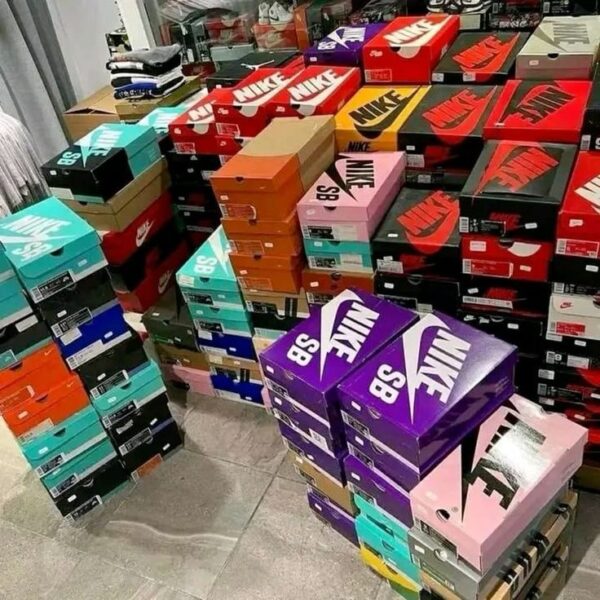
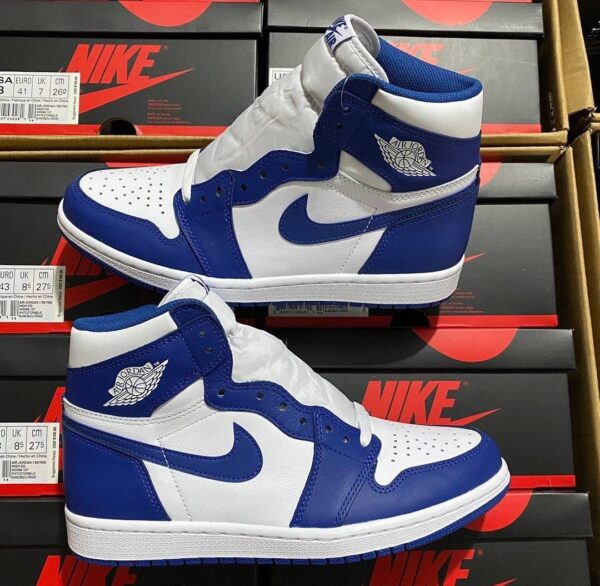
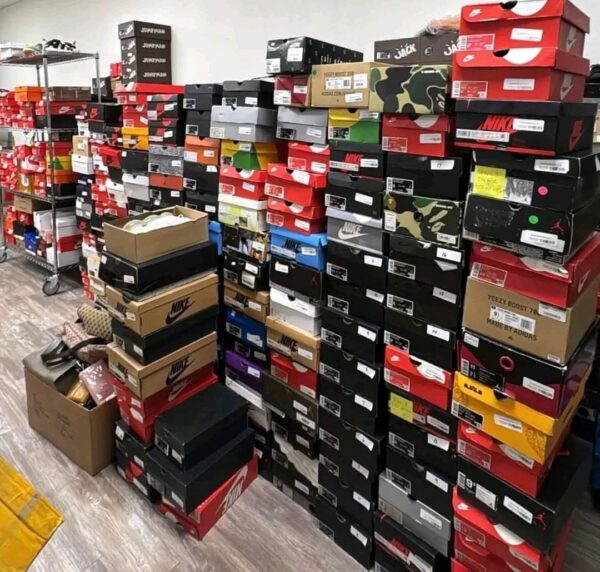
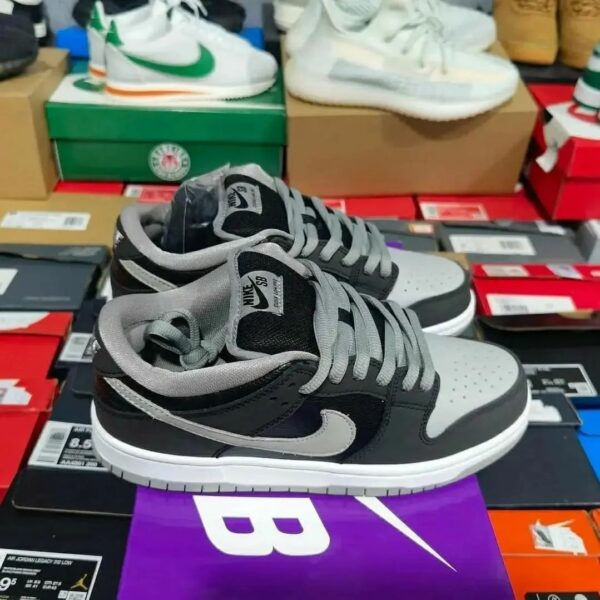
Nike sneakers pallets 100 pairs per pallet – JC liquidation
Current Price: $900.00
Status: Available
Seller: Verified Nike Overstock Liquidator
Source: Official Nike Overstock + Returns
Condition: Shelf Pulls, Overstock, Returns, Liquidation
Colors: Mixed (Classic, Limited & Seasonal Drops)
Items Per Pallet: 100 Pairs
Original price was: 1,200.00$.900.00$Current price is: 900.00$.
Description
Nike Sneakers Pallets – Wholesale Nike Shoes for Resale
Looking for an opportunity to expand your footwear business with recognizable athletic shoes? Our Nike sneakers pallets offer a bulk purchasing option for resellers, independent retailers, online sellers, discount stores, and footwear wholesalers looking to source Nike-branded sneakers in larger quantities.
Each pallet contains approximately 100 pairs of Nike sneakers, with a mix of colors and potentially different styles depending on the available inventory. The merchandise may include shelf pulls, overstock products, customer returns, and liquidation inventory. This variety gives resellers an opportunity to explore different retail channels while purchasing footwear in bulk rather than sourcing every pair individually.
Whether you operate an online sneaker store, a local shoe shop, a discount retail outlet, or a wholesale distribution business, purchasing sneakers by the pallet can help you build inventory efficiently and serve customers looking for recognizable athletic footwear.
Our Nike sneakers pallets are listed as available, subject to confirmation of current stock. Before purchasing, buyers should review the product condition, available models, sizing information, and applicable brand authorization or resale documentation.
Product Overview: Nike Sneakers Pallets

Wholesale Nike Sneakers Pallet
Listed as Available
A bulk footwear liquidation offering designed for resellers and businesses seeking Nike-branded sneakers in larger quantities.
Inventory and availability should be confirmed before ordering.
Nike sneakers pallets are bulk lots of footwear assembled for wholesale distribution or liquidation resale. Instead of buying individual pairs from conventional retail channels, businesses purchase a larger quantity of shoes in a single transaction.
Depending on the inventory lot, these pallets may include overstock products that were not sold through their original retail channels, shelf pulls removed from store shelves, returned merchandise, or other liquidation inventory.
The exact composition can vary between shipments. Some lots may contain more new, unused footwear, while others may include customer returns or products with packaging imperfections. For this reason, understanding the condition breakdown is essential when calculating your resale prices and expected profit margins.
Our listed offering contains 100 pairs per pallet and features mixed colors, potentially including classic shades and seasonal or limited-release colorways, depending on stock availability.
For businesses that already sell sneakers, athletic apparel, sports accessories, or general merchandise, Nike liquidation pallets may provide an additional product category to complement existing inventory.
Key Features of Our Nike Liquidation Pallets
1. Bulk Quantity of 100 Pairs
Each listed pallet contains 100 pairs of sneakers, giving businesses a substantial quantity to stock across different sales channels.
This bulk format can be useful for established retailers, online sellers, market vendors, and wholesalers who need enough merchandise to support regular sales without purchasing hundreds of individual units from separate suppliers.
Before ordering, confirm whether the 100-pair count is guaranteed for every shipment and whether the inventory is organized by size, model, or condition.
2. Mixed Colors and Potential Style Variety
The listed inventory features mixed colors, including classic, limited, and seasonal color categories. A varied selection can help sellers appeal to customers with different fashion preferences.
Classic colors may appeal to shoppers looking for everyday footwear, while seasonal colors can provide options for customers who prefer more distinctive designs.
However, color variety does not guarantee that every pallet contains a specific model, limited-edition release, or balanced selection. Request an inventory manifest or representative photographs when available.
3. Multiple Liquidation Condition Categories
The stated inventory categories include:
-
Overstock: Merchandise remaining after retailers have purchased or stocked more inventory than they need.
-
Shelf pulls: Products removed from retail shelves or discontinued displays.
-
Customer returns: Items returned by previous purchasers, which may range from unused products to worn or damaged footwear.
-
Liquidation inventory: Merchandise sold through a liquidation channel because of changing inventory needs or other commercial circumstances.
These categories can have different resale values. Ask for the percentage of each condition category before purchasing, especially if your business sells products advertised as new.
4. Recognizable Athletic Footwear Brand
Nike is a widely recognized athletic footwear brand, making authentic Nike sneakers a potentially attractive category for sneaker retailers and general merchandise resellers.
Customer demand, however, varies by model, size, colorway, season, condition, and selling location. A recognizable brand alone does not guarantee that every pair will sell quickly or achieve a particular resale price.
Successful resale starts with understanding your target customers and purchasing inventory at a price that leaves room for operating expenses.
5. Suitable for Different Resale Channels
A 100-pair Nike sneakers pallet can be considered by businesses operating through several channels, including:
-
Independent shoe stores
-
Online footwear retailers
-
E-commerce marketplaces
-
Discount and outlet stores
-
Local markets and pop-up shops
-
Wholesale footwear distribution
-
Social commerce and live-selling channels
Choose your sales channel based on your customers, local regulations, marketplace policies, and the condition of the merchandise you receive.
Who Should Buy Nike Sneakers Pallets?
Wholesale Nike sneakers can be relevant to several types of buyers.
Sneaker Store Owners
Independent sneaker retailers may use wholesale footwear lots to supplement their existing inventory. Before buying, compare the available styles and sizes with the products your customers usually request.
Online Resellers
Online sellers may list individual pairs through their own websites or eligible third-party marketplaces. Accurate photographs, clear condition descriptions, and proper product identification can help customers make informed purchases.
Check each marketplace’s policies concerning branded goods, proof of authenticity, and liquidation merchandise.
Discount Retailers
Discount stores can consider liquidation footwear as an additional category alongside clothing, accessories, and other merchandise. Pricing should reflect the actual condition of each pair and any missing packaging or accessories.
Market Vendors
Vendors selling through physical markets, local shopping events, and pop-up shops may benefit from having multiple pairs available for customers to inspect and try on.
A suitable size range and clear organization can make inventory easier to manage.
Wholesale Distributors
Distributors may evaluate pallet purchases for onward sale to smaller retailers. They should confirm the authenticity, inventory breakdown, transportation costs, and documentation needed for their intended markets.
Understanding the Condition of Nike Sneakers Pallets
One of the most important considerations when purchasing Nike sneakers pallets wholesale is product condition.
Because the listed inventory may include overstock, shelf pulls, returns, and liquidation merchandise, buyers should not automatically assume that every pair is brand new, factory-sealed, or in identical condition.
Use the following guide when reviewing a prospective order.
| Condition category | What buyers should check |
|---|---|
| Overstock | Whether the footwear is unused and whether original packaging is included |
| Shelf pulls | Scuffs, display wear, tags, and box condition |
| Customer returns | Signs of wear, stains, sole damage, missing components, or odors |
| Liquidation stock | The original condition classification and any documented exclusions |
Request a written condition breakdown whenever possible. If the supplier cannot provide a detailed manifest, ask for representative photographs and written confirmation of the expected merchandise condition.
If your store sells only new footwear, make sure the supplier can separate or guarantee new, unused pairs before you commit to a purchase.
This step can help reduce customer complaints, unexpected handling costs, and disputes about product descriptions.
How to Evaluate the Profit Potential of Nike Sneakers Pallets
Buying footwear in bulk may reduce the amount of time spent sourcing individual pairs, but profitability depends on the actual acquisition cost and the resale value of the inventory received.
Before purchasing, calculate the full cost of acquiring and preparing the merchandise.
Your total costs may include:
-
Pallet purchase price
-
Freight and delivery charges
-
Import duties or applicable taxes
-
Storage and inventory handling
-
Cleaning or repackaging where appropriate
-
Marketplace commissions and payment processing fees
-
Advertising, returns, and customer service expenses
Example of a Resale Calculation
The following example is illustrative only and does not represent a confirmed price or guaranteed return for this product.
Assume a pallet contains 100 pairs and your total landed cost is $3,000.
Total landed cost
$3,000
Pairs received
100
Average cost per pair
$30
Illustrative scenario: if all 100 pairs sold for an average of $50, gross sales would be $5,000, leaving $2,000 before additional selling expenses, taxes, unsold inventory, and other costs.
The example demonstrates why it is important to assess both the purchase price and the likely sell-through rate. If some pairs are damaged, unpopular, or difficult to sell, your actual return may be lower.
For a more reliable forecast, estimate the resale value of each condition category and use conservative assumptions about how many pairs you expect to sell.
How to Choose the Right Nike Wholesale Pallet
Not every pallet is suitable for every business. Consider the following factors before ordering.
Review the Size Distribution
Shoe sizes have a direct impact on how easily inventory can be sold. Ask whether the pallet includes men’s, women’s, or children’s footwear and whether sizes are mixed or concentrated in a particular range.
A size distribution aligned with your customers may be more valuable than a pallet containing a wider range of styles but limited demand in your market.
Request a Manifest
A manifest is an inventory list that describes the contents of a shipment. Depending on the supplier, it may include model numbers, sizes, quantities, conditions, and other identifying details.
A manifest is not always available for liquidation inventory. If one cannot be provided, request whatever documentation the supplier can supply and obtain written confirmation of the pallet specifications.
Verify Authenticity
Branded footwear should be sourced carefully. Ask for supplier invoices, traceable sourcing records, and other appropriate authenticity documentation.
The terms “verified liquidator” and “official overstock” should be independently substantiated rather than treated as proof on their own.
Avoid purchasing inventory if the supplier cannot adequately explain its source or address reasonable authenticity questions.
Compare the Complete Delivered Cost
A low advertised pallet price may become less attractive after freight, handling, taxes, and other charges are included.
Request a complete quotation that clearly identifies the merchandise price, shipping cost, delivery method, and any additional fees.
Understand the Return Policy
Liquidation merchandise may be sold under special conditions, including restrictions on returns or claims. Read the policy before paying and clarify how shortages, incorrect counts, counterfeit concerns, or undisclosed damage are handled.
Why Consider Nike Sneakers Pallets for Your Business?
Purchasing wholesale footwear can provide several operational advantages when the inventory is appropriate for your target market.
Bulk sourcing: Purchasing 100 pairs in one lot can simplify procurement compared with sourcing every pair separately.
Inventory variety: Mixed colors may offer multiple merchandising options, subject to the actual pallet contents.
Multiple sales opportunities: Authentic footwear may be sold through eligible retail, online, wholesale, and local-market channels.
Flexible merchandising: Retailers can organize products by size, condition, color, or customer segment.
Potential for repeat purchasing: Businesses that establish a reliable sourcing process may be able to replenish inventory as suitable lots become available.
These advantages depend on supplier reliability, inventory quality, customer demand, and the economics of each order. They should be assessed before treating any pallet as a profitable investment.
Ordering Nike Sneakers Pallets
If you are interested in purchasing Nike sneakers pallets, follow a straightforward verification process.
-
Confirm availability. Contact the supplier to verify that the advertised pallet is currently in stock.
-
Request product details. Confirm the 100-pair count, size range, color mix, models, and condition breakdown.
-
Verify the source. Request appropriate sourcing and authenticity documentation.
-
Review the quotation. Confirm the merchandise price, shipping costs, delivery timeframe, and all applicable fees.
-
Read the sales terms. Understand the payment process, claims procedure, and return policy before placing your order.
-
Arrange delivery. Confirm the shipping destination and obtain tracking or freight documentation when available.
-
Inspect the shipment. Count the pairs and document any shortages or condition discrepancies promptly after delivery.
For repeat wholesale buyers, keeping records of each shipment can make it easier to compare suppliers, track resale performance, and plan future purchases.
Frequently Asked Questions About Nike Sneakers Pallets
1. What Are Nike Sneakers Pallets?
Nike sneakers pallets are bulk lots of Nike-branded footwear sold to businesses or resellers. Depending on the supplier, the merchandise may include overstock, shelf pulls, customer returns, and other liquidation inventory. The listed pallet contains 100 pairs, with mixed colors. Buyers should confirm the exact models, sizes, condition categories, and documentation available before ordering because pallet contents can vary.
2. How Many Pairs Come in Each Nike Sneakers Pallet?
According to the supplied product specifications, each Nike sneakers pallet contains 100 pairs. Before purchasing, confirm whether this quantity is guaranteed for every shipment and whether damaged or incomplete pairs count toward the total. It is also useful to ask for the size distribution, product categories, and any exclusions so you can estimate the quantity of saleable inventory accurately.
3. Are the Nike Sneakers Brand New?
The stated inventory includes shelf pulls, overstock, customer returns, and liquidation products. Therefore, it should not automatically be considered entirely brand new. Overstock items may be unused, while returned or displayed products can have signs of wear. If you require exclusively new footwear, request written confirmation of the condition standard and ask whether the supplier can guarantee that all pairs are unused.
4. What Colors Are Included in the Pallets?
The product specifications describe a mixed selection of classic, limited, and seasonal colors. The actual color distribution will depend on the available inventory. A particular colorway or limited-release model is not guaranteed unless the supplier confirms it in writing. Request current photographs or a manifest when possible, especially if your business depends on particular colors or styles.
5. Can I Resell Nike Sneakers Purchased in Bulk?
Reselling authentic Nike products may be possible, subject to applicable laws, contractual restrictions, and the policies of your chosen sales channel. Buyers should retain purchase records and verify product authenticity. Marketplace rules may require documentation or impose restrictions on branded merchandise. Do not describe returned or damaged footwear as new, and avoid making claims about authorization that you cannot substantiate.
6. Are Nike Sneakers Pallets Suitable for Online Stores?
They may be suitable for online retailers when the products match customer demand and the seller can accurately describe each pair. Online sellers should inspect the footwear, photograph the actual products, identify sizes and models, and disclose condition issues. Marketplace fees, shipping costs, customer returns, and authenticity requirements should all be included when calculating expected profit.
7. How Can I Verify a Nike Liquidation Supplier?
Request business identification, invoices, sourcing records, references where available, and documentation supporting the supplier’s claims about the merchandise. Confirm that the supplier’s name and payment details are consistent with the business you have verified. Start cautiously if you are unfamiliar with the seller, and review the written purchase terms before sending payment. A seller’s marketing description alone is not sufficient proof of authorization or authenticity.
8. Will Every Pallet Contain the Same Nike Models?
Not necessarily. Liquidation inventory often changes according to availability, and mixed pallets may contain different models, sizes, and colors from one shipment to another. Unless the supplier provides a guaranteed manifest or specific product selection, buyers should assume that individual contents may vary. Confirm the level of variation in writing before purchasing if consistency is important for your store.
9. How Do I Calculate Profit on a Nike Sneakers Pallet?
Start by dividing the total landed cost by the number of saleable pairs to estimate your average cost per pair. Then compare that cost with realistic resale prices for the actual models, sizes, and conditions received. Subtract marketplace fees, shipping to customers, taxes, advertising, returns, and other expenses. Avoid basing your forecast on the highest advertised sneaker resale prices or assuming every pair will sell.
10. What Should I Check Before Buying Nike Sneakers Pallets?
Confirm current availability, the 100-pair count, product condition, size distribution, model variety, authenticity documentation, delivery costs, and the supplier’s claims policy. Ask whether original boxes are included and whether any footwear may be worn, damaged, or incomplete. Review all payment and delivery terms before ordering. These checks help you assess whether the pallet fits your business requirements and whether the expected resale value justifies the investment.